Back in the day of pre-Google marketing, marketing students learned the “4 Ps”: Product, Price, Place, and Promotion. The Internet and Google Search changed that. Search engine optimization (SEO) became about ranking and showing up on the first page of Google when someone searched for what you had to offer. That became the new “Place”.
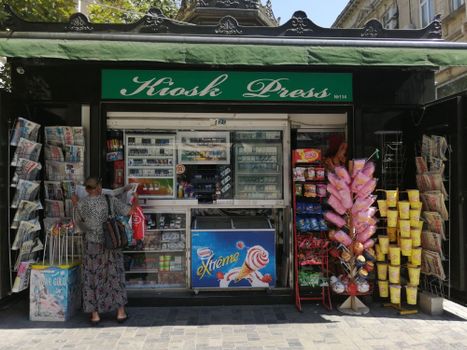
Initially, the “Yellow Pages”, printed directory books, went online. It used to be, “If you’re not in the Yellow Pages, you don’t exist.” Then it became, “If you’re not online, you don’t exist.” It later expanded to, “If you’re not on social media, you don’t exist.” Now it’s, “If you don’t get cited in the AI Answer Engines, you don’t exist.”
The AI Answer Agents have shifted marketing from search back to persuasion. Marketers, whether in self-storage facilities, in commercial real estate, investment firms, or suppliers, need to get back to basics. I’m talking about going back to the Mad Men era of advertising and marketing — the age of persuasion.
In the 1950s and 60s, “Mad Men” referred to the advertising agencies of Madison Avenue in New York City. In those days, they grew brands via persuasion, positioning, and earning trust. We only had a few TV channels, print newspapers, magazines, and radio stations. If you wanted exposure, you had to buy it or have such an outstanding product or service that it got free publicity (PR).
The Art of Persuasion in Marketing
Advertising, back in the day, was about influencing the choice someone makes before they’ve even consciously made it.1
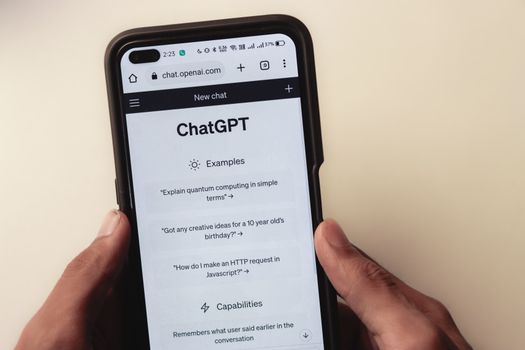
I’m sure you’ve noticed when using an AI Answer Tool like ChatGPT, Gemini, or Perplexity, that it will nudge you to dig further into your query. It wants to keep helping you. For instance, if you search for a travel destination, it may ask you, “Would you like me to compare hotels in that city?” or “Would you like me to create a travel itinerary for you?” or “Would you like me to find the best airline deals?” Most people take advantage of the offer and write, “sure” or “yes, thank you!” AI is anticipating your next logical move.
According to a Search Engine Land article,2 45% of mentions are budget- or deal-related. Those are what consumers want to see the most.
The next biggest recommendation is product comparisons. For example, “Would you like me to compare ABC Hotel to XYZ Hotel?” This suggestion would be based on the competition at the given location. The results would initially come from Google Reviews, Reddit, and Facebook recommendations. Other considerations are awards and listicles, like being included in “the best of [city]”.
Think Buyer Intent
People aren’t just searching anymore; they’re asking. They describe their pain point or problem. Then, AI gives them an answer. Ultimately, it takes them to the next level of their buying journey.
You need to clearly understand your target market and their buying expedition and strategically organize your content to meet their needs.
Here’s how you need to structure your content for each stage of their journey…
1. Awareness: Buyers at this stage are looking for a solution to their problem. They have a question and need an answer, and are seeking a provider to help. For local businesses, here’s where your location-based content will come in, as well as your branding efforts. Additionally, those Frequently Asked Questions (FAQs) on your website help both local, national, and global entities.
2. Familiarity: At this point, the buyer knows the general solution to their problem, but there is still uncertainty. Here’s where the comparisons come in. The potential customer will want to compare one business, service, or product to another by reading reviews. If it’s a high-ticket item, major purchase, or service, they’ll look at the credibility of the company, employees, and the owners. You get the idea. They’ll study the “About Pages” to see who’s behind the company. They may check social media profiles for topical authority and credibility. They want to become more familiar with you to give them the assurance they need to go to the next step.

3. Consideration: By this stage, potential customers are contemplating their options. They are almost ready to buy, but they need a little more persuasion. They’ll watch explainer videos on YouTube, download white papers, and compare deals, amenities, and benefits. They’re looking for social proof on sites like Reddit. They want to be convinced.
4. Purchase: At this stage, the consumer is ready to buy. Make it easy, convenient, and smooth for them to do so. Have those calls-to-action (CTAs) everywhere on your website and social platforms. Don’t make them hunt for what you want them to do! A bad User Experience (UX) on a website will cost you sales! Put those CTAs at the end of every blog and social media post, Reel, and YouTube video. You’ve got their attention; tell them what to do next.
5. Experience: Here’s where customer service comes in. Whether they’re moving into a storage unit, making an appointment, or ordering products, a good experience will result in a loyal, satisfied customer. A great customer experience is central to your marketing success.
6. Loyalty: Finally, encourage happy-camper customers, at the post-purchase stage, to write a review, recommend you to their friends and colleagues, and/or become a returning customer.
The New “4Ps” of Marketing
Product (or service), Positioning (place), Price (deals), and Proof.

- Product/Service: Clearly promoting what you have to offer hasn’t changed a bit. You still only have a few seconds to catch a potential customer’s attention. And naturally, first impressions matter. Are your current processes optimized for conversions?
- Positioning: Here’s where you can get strategic by understanding your target, your perfect customer, and their buying experience. Prioritize the comparison part of the familiarity stage. How do you stand up next to your closest competitors? Create product/service (A vs. B) comparisons to help people decide which unit they need or which financial investor to work with.
- Price: Everyone is looking for a deal. Everyone wants to save money. Pricing and discounts are the No. 1 driver of AI nudges (48% of all triggers). Maintain structured, real-time deal data to ensure your site is the preferred destination for AI commerce referrals.2
- Proof: Lastly, take advantage of any “support” or “customer service” gaps that your competitor may not be covering. Focus on the post-purchase troubleshooting, support, how-to assistance, etc. Encourage reviews on Google, Yelp, and Facebook. Put links to your profiles on receipt/thank you emails to make it easy for your customer to leave you a review. Check out my article in the September 2025 MSM on the power of reviews.
Besides that, studies show that people still want to interact with a live person. AI only goes so far. People want to deal with people. Sure, there will be those who will do their whole transaction online. However, the majority still want that personal touch.
Where the Buyer’s Journey Fails

Unfortunately, sometimes hot or even warm leads fall through the cracks in our systems. Here are some things to look out for…
- Bad websites. Websites that are not set up correctly will block the AI and Google search bots from accessing, indexing, and citing the content. Similarly, a glitchy User Experience (UX) or User Interface (UI) will cost your sales. Likewise, a slow-loading site or one that doesn’t render properly on a mobile device scares away not only the AI bot, but the potential customer. They’ll go elsewhere.
- Missed calls. Nothing is more frustrating than calling a business and getting voicemail or, worse yet, no response.
- Slow responses. People want fast responses. Even if you have to automate replies to emails or website inquiries, make sure to personalize them and be honest with the follow-up time.
- Difficulty purchasing: Have you ever stopped in the middle of filling out a form because it was just too long? Streamline your onboarding, purchasing, and/or booking process. In other words, reducing friction and increasing speed equals Conversions!
AI evolution is not going away. Success means adapting and adopting. If you need help, don’t hesitate to visit my website and book a free consultation.
Have you tried using the AI tools to plan and market your business?
Or are you still overwhelmed by all this techie stuff?
That’s where I can help. Let’s start with a FREE consult, and we can brainstorm.
Or, maybe you’re ready to learn. I offer 1:1, customized training sessions so you can learn how to use these time-saving (and money-saving) tools. Click here for more information.

Marketing Frequently Asked Questions
What is the new “4Ps” of marketing, and how do they apply to today’s AI-driven landscape?
The new “4Ps” are Product (or service), Positioning (place), Price (deals), and Proof. They remain central: clearly promote what you offer, understand your target and how you stand next to competitors, offer compelling pricing, and showcase proof through customer service, reviews, and post‑purchase support.
How does buyer intent influence marketing content strategy in an AI era?
Buyers aren’t just searching; they are asking and describing their pain points. Your content should align with their buying journey by meeting their needs at each stage, using awareness, familiarity, consideration, purchase, experience, and loyalty to structure information and CTAs.
How should marketing content be structured for each stage of the buyer’s journey?
Awareness: provide a solution, location-based content, and FAQs. Familiarity: offer comparisons, reviews, and credibility signals. Consideration: present social proof, demos, and deal comparisons. Purchase: place clear calls to action and ensure a smooth UX. Experience: emphasize strong customer service. Loyalty: encourage reviews and referrals.
What are common gaps that cause leads to fall through the cracks, and how can they be fixed?
Common gaps include poorly designed websites that block AI and bots, missed calls, slow responses, and cumbersome purchase processes. Fix them by ensuring fast, personalized follow‑ups, improving UX/UI, speeding up the buying process, and providing easy, accessible paths to complete purchases.
What role do persuasion and live interaction play alongside AI tools?
AI nudges users toward deeper questions or comparisons, but people still want live interaction. The best marketing combines AI nudges with human touch and strong post‑purchase support to build trust, credibility, and ongoing loyalty.
Sources:
- https://searchengineland.com/seo-mad-men-era-473690 ↩︎
- https://searchengineland.com/llm-nudges-ai-driven-journeys-474062 ↩︎
- https://searchengineland.com/llm-nudges-ai-driven-journeys-474062 ↩︎